Sensors
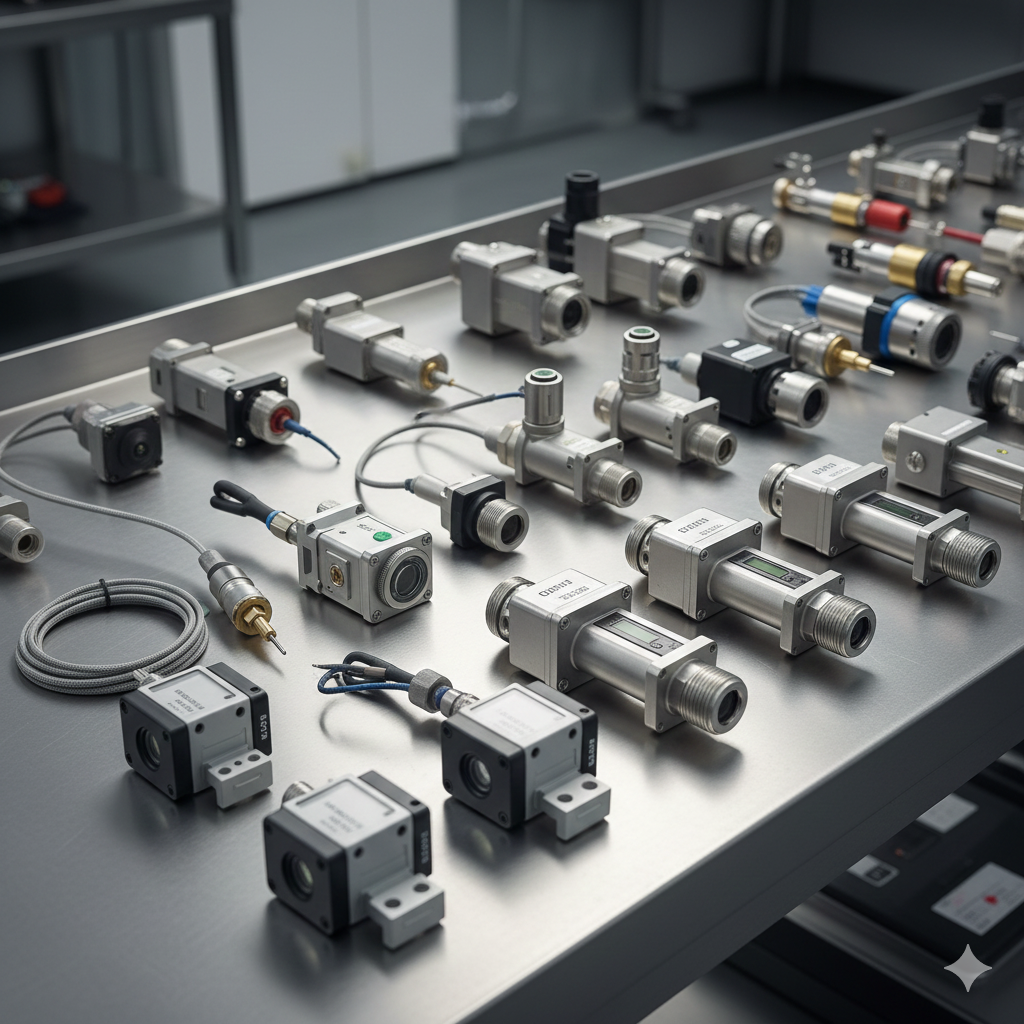
The primary input devices of an automated system. They detect physical properties—such as light, heat, or pressure—and convert them into electrical signals for the control system to process.
Transmitters
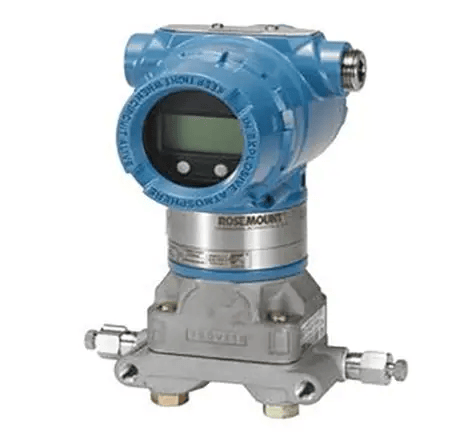
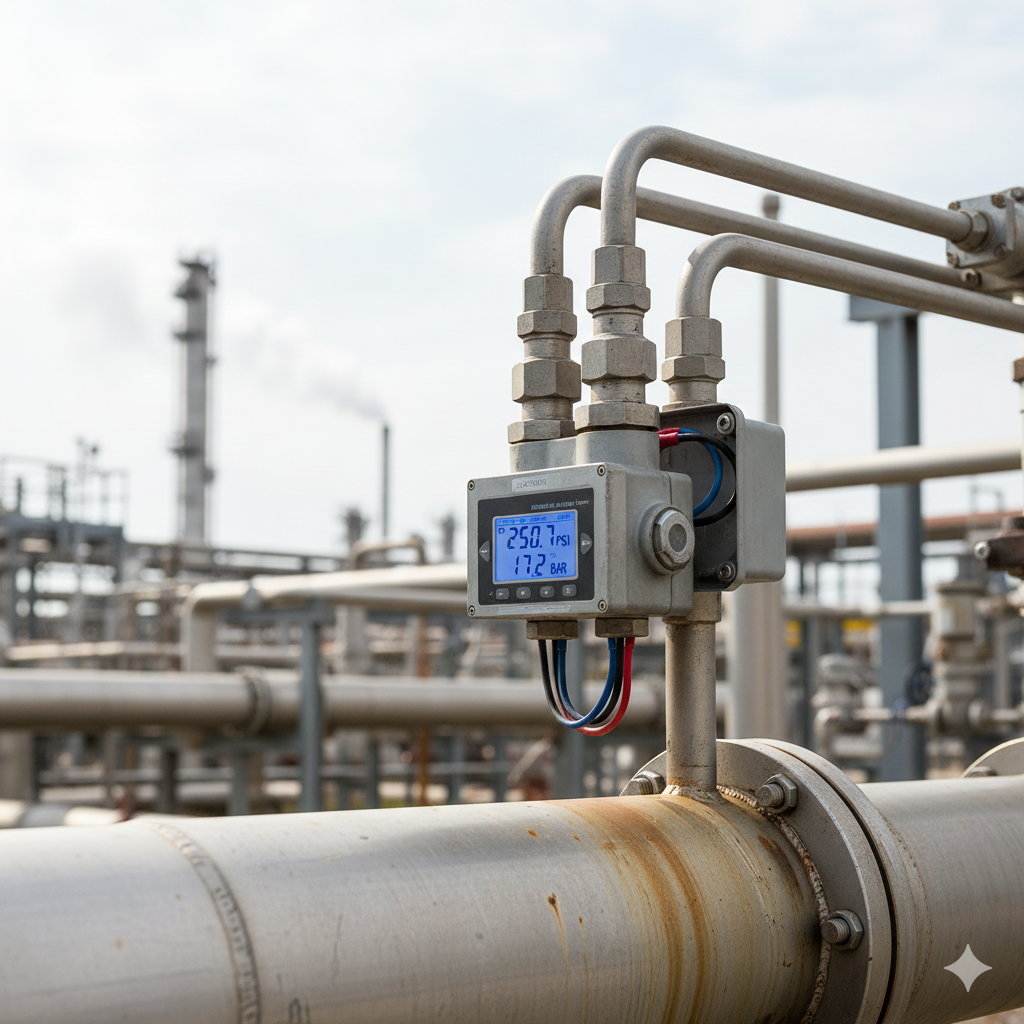
Devices that take the raw signal from a sensor and convert it into a standardized, long-range signal (such as 4-20mA). This ensures accurate data transmission to controllers over long distances without interference.
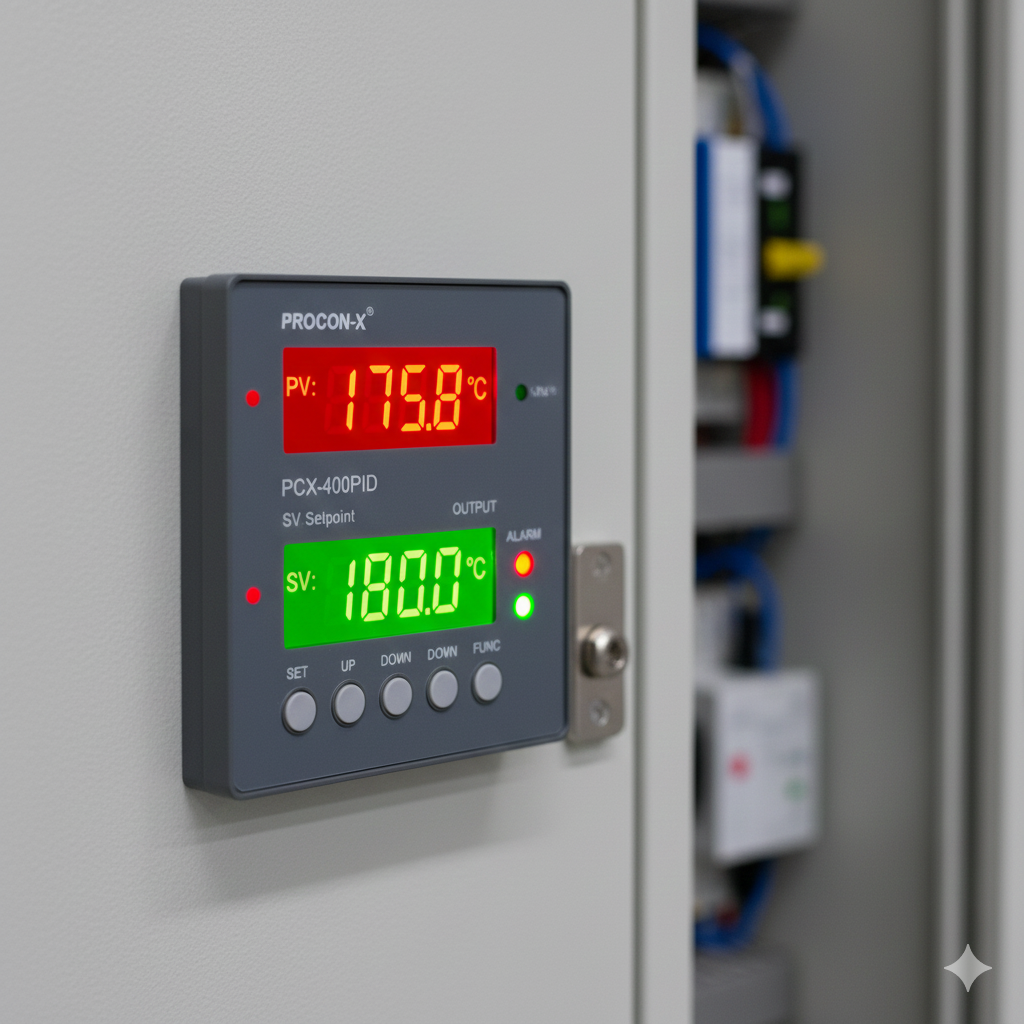
Controllers
The regulatory hubs of a process. These devices receive data from sensors and compare it against a setpoint to automatically adjust system outputs, ensuring stability in variables like temperature or flow.
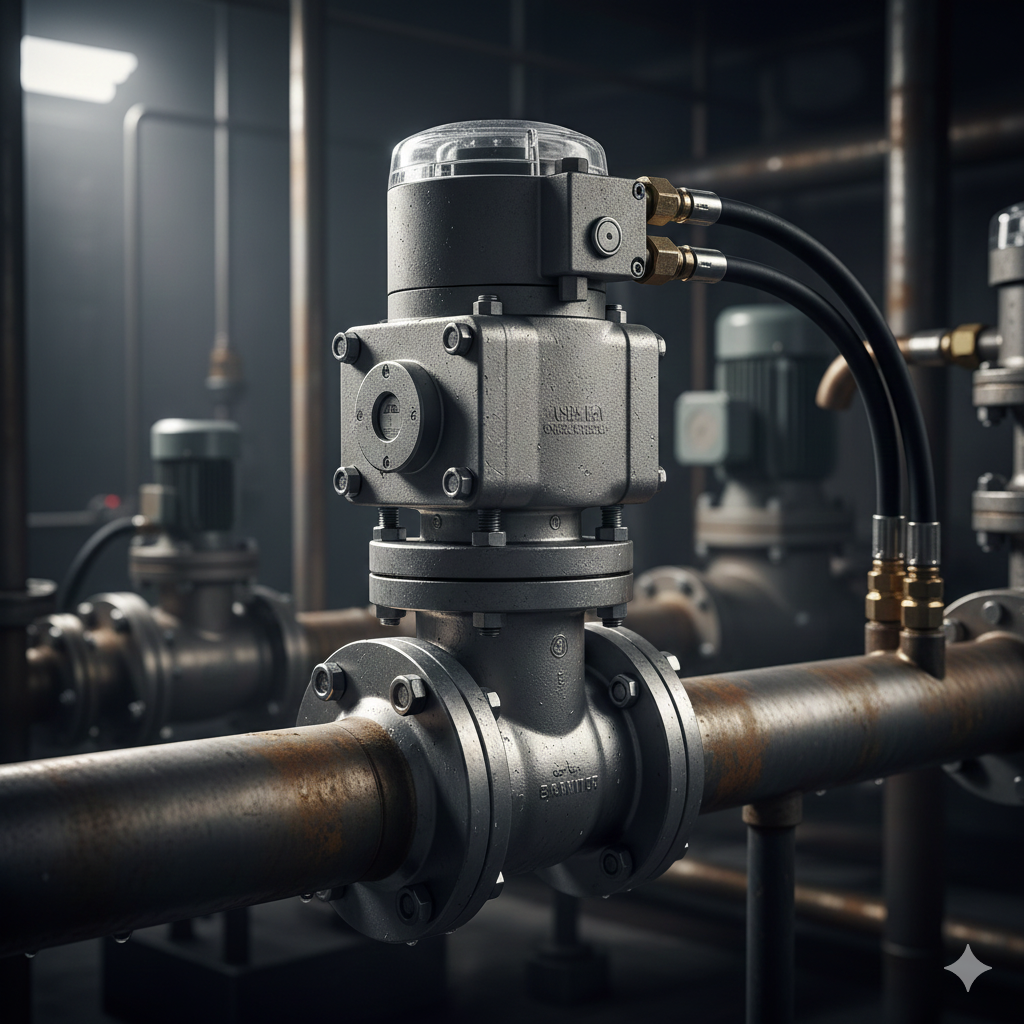
Actuators
The "muscles" of the system. These components receive electrical or pneumatic signals and convert them into physical motion, such as opening a valve, moving a lever, or rotating a shaft.
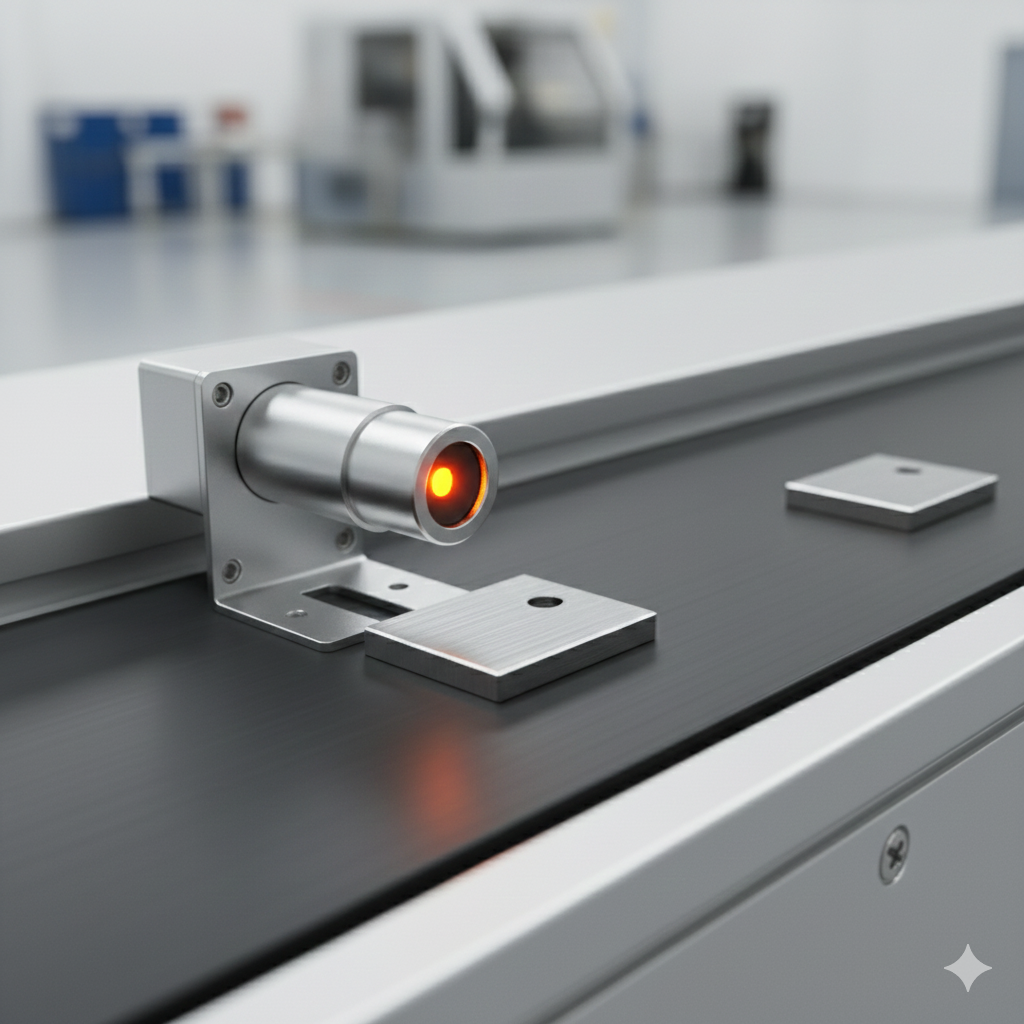
Proximity Switches
Sensors used for "object present" or "object absent" detection without physical contact. They are essential for position sensing, limit detection, and high-speed counting on conveyors.
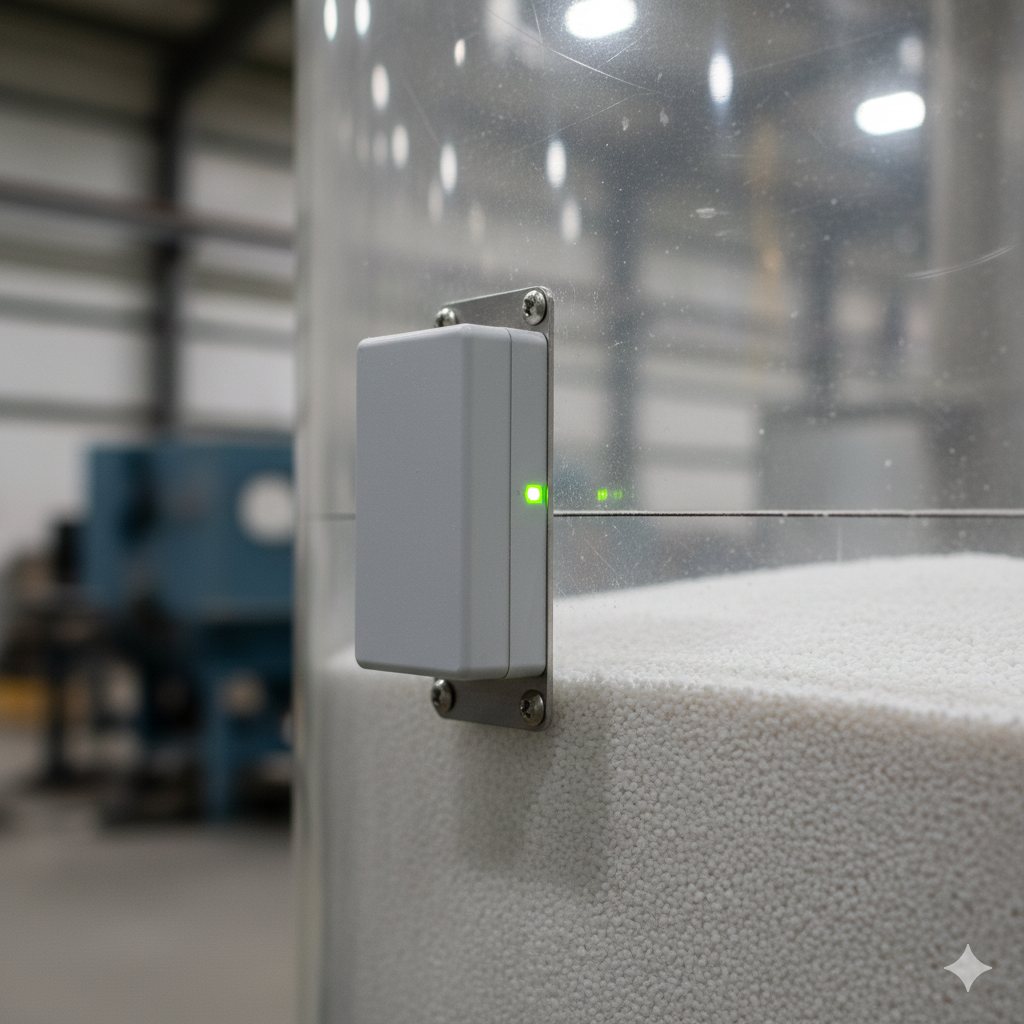
Capacitive Switches
Versatile sensors capable of detecting both metallic and non-metallic objects (such as powders, liquids, or plastic). They are often used for level sensing through non-metallic tank walls.
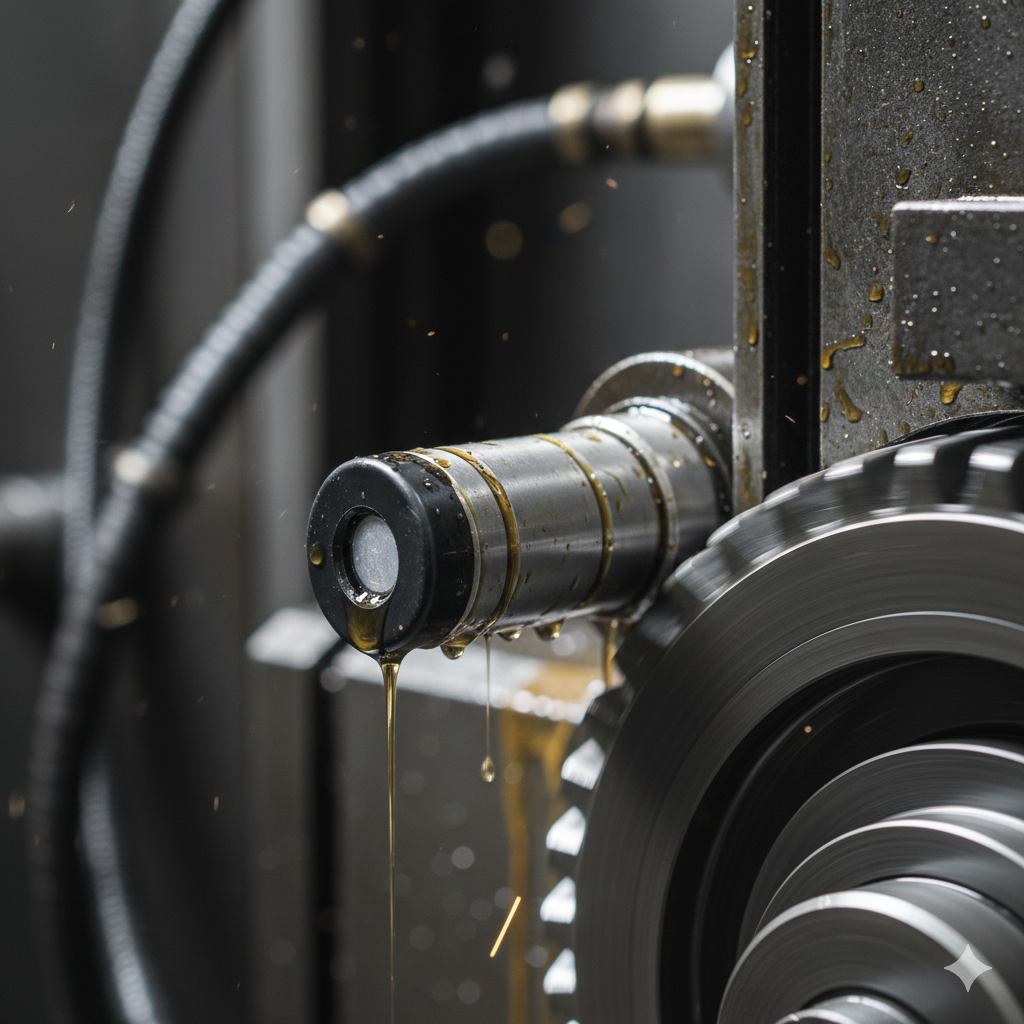
Inductive Sensors
Specialized non-contact sensors designed to detect the presence or position of metallic objects. They are highly durable and ideal for heavy-duty industrial environments where dust or oil may be present.
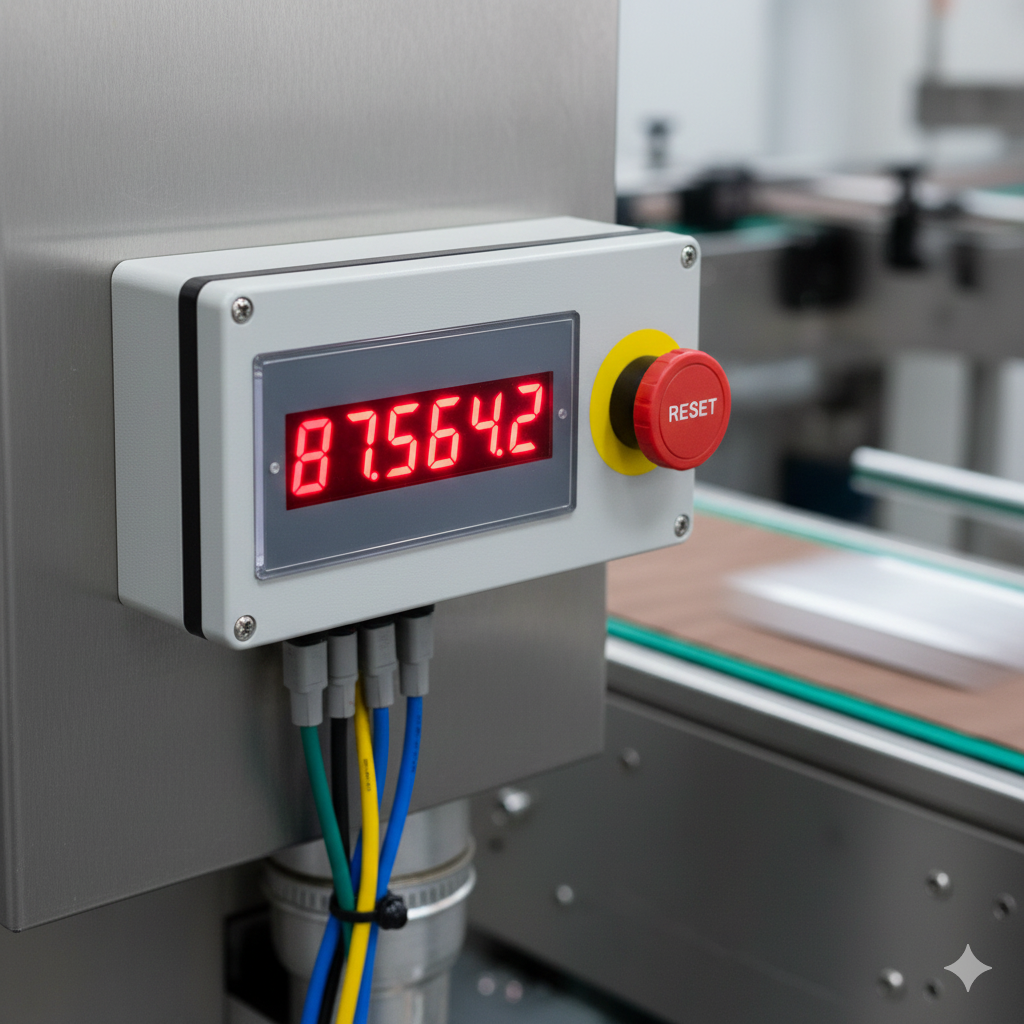
Counters
Precision instruments used to track the frequency of events or the number of items passing through a production line, providing critical data for batching and inventory management.